
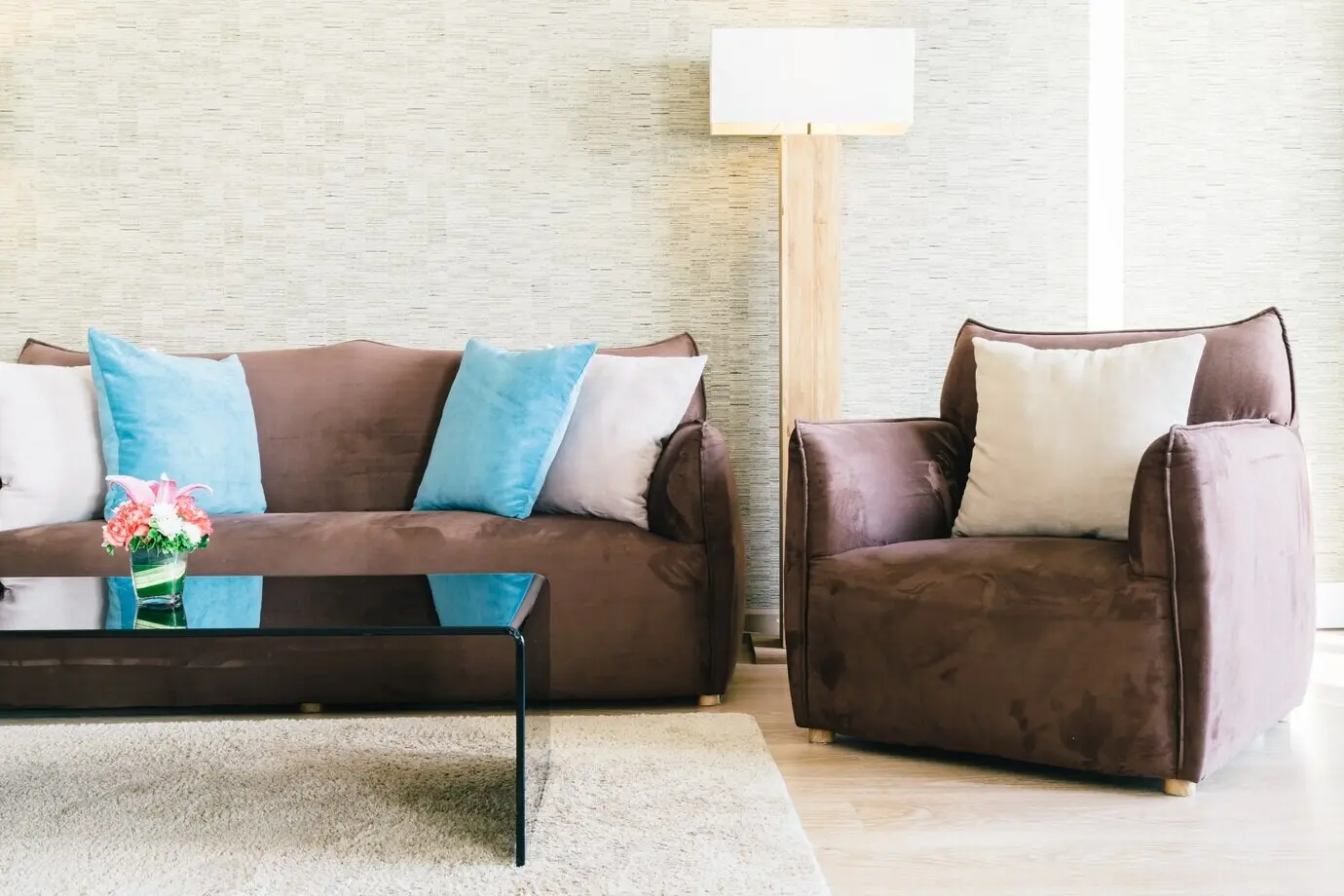





Quiet Sophistication for the Living Room

Step into calm, elegant living rooms achieved through minimalist styling and thoughtful curation, where restraint becomes warmth and every element earns its place. We’ll explore practical choices that lower visual noise, amplify light, and celebrate meaning. Expect gentle routines, useful checklists, and stories from real homes showing how editing, texture, and proportion create deep comfort. Share your questions or photos, and subscribe for weekly prompts that help your space feel grounded, personal, and effortlessly refined without excess.

Start with Space, Light, and Stillness

Before adding anything, learn to notice the silent structure of your room: proportions, pathways, window orientation, and the way sound and light travel. Minimalist curation begins by honoring what already exists, then quieting distractions. We will map natural light, thin out visual density, and hold generous negative space so the room breathes. As one homeowner shared, the moment they removed two side tables, conversations softened, and evenings felt longer, calmer, and more deeply connected.

Edit Before You Add

Begin with a compassionate edit. Remove every accessory to a staging box, then reintroduce only pieces with purpose, story, or daily function. Notice how surfaces open and sightlines extend. Keep the best, release the rest. A reader told us they released twenty-seven small objects and gained a newfound silence; the sofa finally felt centered, and the room’s light rested softly instead of scattering across busy vignettes.

Map Natural Light

Observe sunlight across morning, afternoon, and evening to determine where reflective finishes, sheers, and matte textures belong. Diffuse glare with layered window treatments and let soft rays linger on textured materials. Place mirrors thoughtfully, avoiding visual clutter. One apartment dweller replaced heavy drapes with linen sheers and noticed their evenings cool to a golden hush, turning a once restless corner into a tranquil reading nook that invites lingering.

A Palette That Whispers

Choose a gentle palette that calms at first glance and deepens on closer look. Warm whites, soft grays, clay neutrals, and subtle taupes create harmony while allowing materials and light to lead. Use tonal layers rather than high contrast, and restrain accent colors to intentional, quiet moments. When one reader shifted from stark white to linen-leaning paint, their oak floors glowed, the walls softened, and the whole room felt elegantly hushed without losing character.

Furniture with Purpose and Poise

Select fewer pieces with refined lines, trustworthy craftsmanship, and humane proportions. Low, grounded silhouettes encourage relaxation and let architecture and light be noticed. Each item should justify its footprint by adding comfort, storage, or meaningful function. Plan pathways and conversation zones before purchasing. A subscriber who downsized to a slimmer sofa and a single, generous coffee table found traffic flow improved instantly, while the room’s elegance rose because surfaces stopped competing.

Textures That Invite Touch

Minimalism finds warmth in tactility. Pair linen, wool, untreated oak, honed stone, and aged brass to create quiet depth without visual noise. Let the hand feel variety while the eye stays calm. Texture becomes your pattern, light your embellishment. We’ll show combinations that soothe rather than shout. A family swapped a shiny rug for a natural wool flatweave and immediately noticed conversations lingered longer on the floor, books spread out, and restfulness followed.

Natural Fibers, Natural Calm

Linen slipcovers, wool throws, cotton percale, and jute or sisal rugs establish breathable comfort and beautifully absorb light. They photograph softly and age honestly. Select textures with subtle irregularities that suggest hand and craft. A reader layered a linen curtain over a cotton shade and discovered the light turned gentle, like a whisper; even the hum of the street seemed to fade behind the fabric’s calming presence.

Wood, Stone, and Quiet Metals

Mix finishes thoughtfully: warm oak with honed limestone, or walnut with soapstone and brushed brass details. Keep surfaces largely matte to reduce glare and increase depth. Avoid too many species or shine levels. One apartment replaced a glossy top with a honed marble slab; fingerprints vanished, reflections softened, and the entire room adopted a museum-like stillness that felt inviting rather than aloof.

Curating Objects with Intention

Curation is choosing what to live with. Display fewer, better objects that carry memory, function, or quiet beauty, and give them space to breathe. Arrange in odd numbers, vary height subtly, and avoid edge-to-edge styling. Embrace white space on shelves as part of the composition. A reader kept a single bowl of beach stones, a candle, and a small photograph; the room gained emotional clarity and deepened in grace.

Shelves that Breathe

Clear every shelf. Return only what you love to see daily, and leave generous gaps so the eye rests between vignettes. Lay some books horizontally, some vertically, and float a sculptural object against empty space. One tiny clay vessel atop a stack became a still point for one family, anchoring the entire wall with quiet presence and freeing the rest from crowding.

Art That Calms Rather Than Shouts

Select art with soothing palettes, balanced compositions, and considered negative space. Try a single large piece or a tightly edited grid with consistent frames to calm the wall. Hang slightly lower for intimacy. A couple replaced a busy collage with a muted landscape; evenings felt slower, and conversation drifted naturally toward the piece’s horizon, a daily reminder to breathe wider.

Rituals of Rotation

Keep a small rotation box for seasonal swaps so surfaces never overflow. Exchange a vessel, a book, or a branch weekly and notice how small changes refresh attention. This prevents accumulation while honoring curiosity. One reader rotates family photos monthly, discovering stories open more tenderly when fewer images stand alone, quietly honored rather than lost in a crowded gallery.

Lighting Layers for Serenity

Calm elegance unfolds when light arrives in layers. Blend soft ambient glow, precise task light, and gentle accents that reveal texture without glare. Use dimmers everywhere and aim for warm color temperatures around 2700–3000K. Lampshades in natural materials diffuse beautifully. A home that replaced overhead glare with three warm lamps found evenings transformed: voices lowered, pages invited reading, and the room felt tender, like a shared exhale.

Ambient Foundations

Create a base layer using shaded floor lamps or wall washes that bounce light softly rather than blasting downward. If a ceiling fixture is necessary, choose diffused lenses and dim them low. Let corners glow gently. One household placed a lamp behind a sheer curtain, and twilight turned the fabric into a lantern, filling the room with a quiet, cinematic calm.

Task with Grace

Add targeted light where you read, craft, or work, keeping beams warm and controlled. Position shades to avoid hotspots and reflections on glass. Pair a reading chair with a focused lamp, then dim everything else. A parent reported bedtime stories lengthened because the light held a cozy pool while the rest receded, making the chair feel like a safe, calm harbor.

Accents That Glow, Not Glare

Use picture lights, small uplights, or candles to graze textures and highlight cherished objects, letting shadows do subtle storytelling. Choose low-lumen sources and warm bulbs. One mantel came alive with a single tiny uplight revealing the stone’s grain; guests leaned closer, voices softened, and the room felt elegantly intimate without any additional decoration.

Quiet Habits, Lasting Calm

Lasting elegance is a practice, not a purchase. Create rituals that keep clutter brief and surfaces light. Institute a five-minute evening reset, a weekly edit, and a seasonal rearrange. Hide cables, corral remotes, and keep a beautiful tray as an incoming dock. Add fresh branches or a single bloom as a living punctuation. Readers who embrace these habits report more restful evenings and easier mornings, as if the room gently guides the day.
Putulakomelezapavuturo
Privacy Overview

This website uses cookies so that we can provide you with the best user experience possible. Cookie information is stored in your browser and performs functions such as recognising you when you return to our website and helping our team to understand which sections of the website you find most interesting and useful.